Over 3,000 kilometres away from the islands of Tuvalu, a community in Oamaru is keeping a piece of home alive in New Zealand
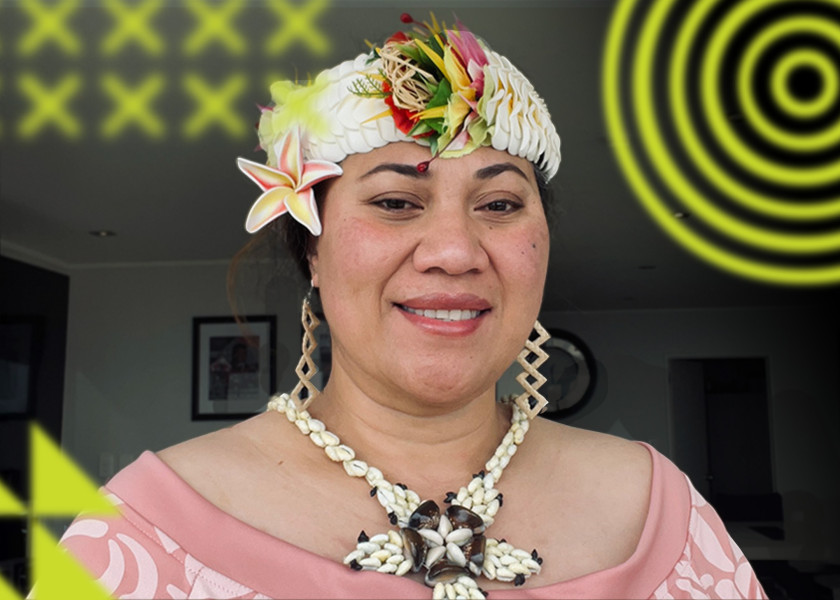
Through language, traditional crafts, songs and dance, Sapeta Manaia and the Tuvalu Oamaru Community Group are helping local Tuvalu families connect with their culture and inspiring young people to carry traditions into the future.
Born in Nauru and raised in Tuvalu, Sapeta lived in Fiji for more than a decade before moving to New Zealand and eventually settling in Oamaru with her husband in 2008.
Today, she is part of the Tuvalu Oamaru Community Group, a community of more than 200 people. This year, the group has been running workshops supported through the Ministry for Pacific Peoples Pacific Languages Community Fund, bringing generations together to learn from elders and share their knowledge with young Tuvaluans.
The workshops have also been an opportunity for Sapeta to learn more about her own culture.
“When I took on this project, I realised how much I needed to still learn about my Tuvalu culture. This was the best project to provide that learning and most importantly for our children,” says Sapeta.
The workshops started with the basics, teaching participants how to count and recite the alphabet in Tuvalu before moving on to traditional crafts and adornments.
“We went straight to the basics, like counting numbers and alphabets. There’s also a traditional way of counting people, counting crabs, counting coconuts. It’s all different. It’s not the same as counting the numbers – that’s what we started off with first.”
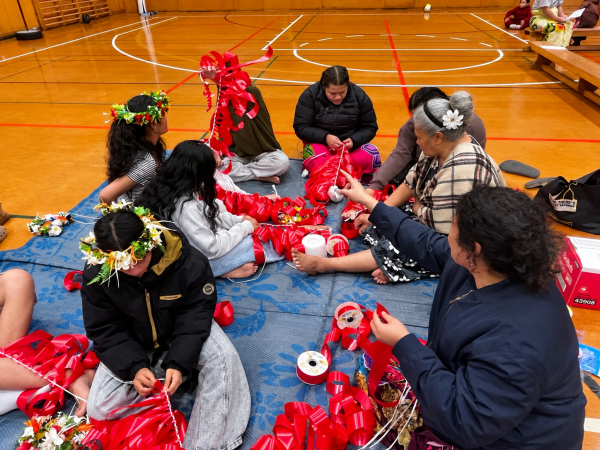
One workshop brought together grandmothers, mothers and young people to learn how to make a traditional 'safe', with elders sharing knowledge about how the materials are prepared and used.
In Tuvalu, the traditional craft can take weeks and months to prepare, with pandanus leaves soaked in the sea, dried in the sun for weeks and softened before they can be used.
For Sapeta, seeing the children experience what the process is like when making 'safe' helped them appreciate the hard work their ancestors once did.
“I could really see the youth take in all the learnings from our elders, with some even saying, ‘Wow, now we know how long it takes to make this. It’s hard’,” says Sapeta.
The workshops are about more than learning language and traditional practices. They provide a connection to home for children growing up away from Tuvalu.
“Even though our community is growing, we are living out of Tuvalu, far away. This is a way of teaching our children, so they still get a taste of the island life while living away from home.”
Sapeta hopes the knowledge shared through the workshops will continue beyond the current project and be passed from one generation to the next.
“If our young people stay living here in Oamaru, they are our future Tuvaluan leaders. It’s good for them to understand our traditions, learn the language, learn our stories, chants and dance so they can carry it on with them, hopefully passing it on to their children as well.”
The workshops have helped build momentum towards Tuvalu Language Week, running from 27 September to 3 October, where the community will showcase what they've learnt through performances, activities, songs and dance with the wider Oamaru community.
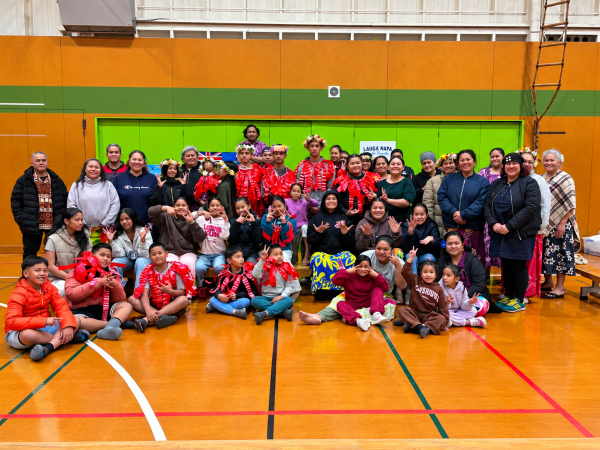
"This year, we want to get out into the community. We want to show people that we're here, that there are Tuvalu people here, and to help them learn more about us. That's what our Tuvalu community group wants to do.”
For Sapeta, keeping the Tuvalu language and culture alive is about building confidence and helping young people feel proud of who they are.
“I want them to walk into their classrooms at school and be proud of who they are, not to be shy that they speak a different language. I want them to know that it’s important and they are important. Their culture and language are important and not to be shy about where they come from. Be proud to be Tuvaluan.”