How do you preserve knowledge that has been passed down for generations? For Tuvalu researcher Lisepa Paeniu, one answer is to write it down, in the language it belongs to.
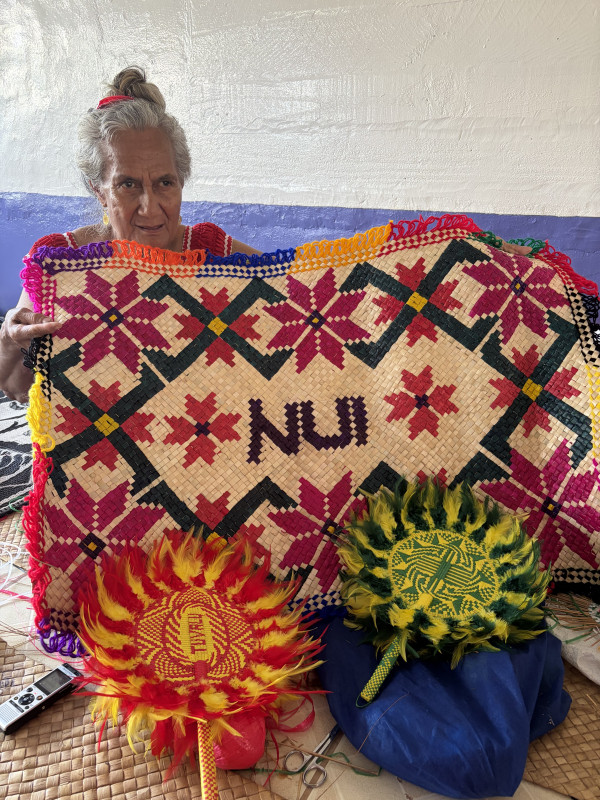
It all started with a simple question – how did we reach our 20s and 30s without knowing how to make or build Tuvalu treasures that our ancestors had made for generations?
While doing research for her PhD, Lisepa found that only a small number of books about Tuvalu’s traditional knowledge had been written by Tuvalu people.
That realisation prompted her to think differently about whose stories were being recorded, and who should be telling them.
“We were wondering, at our age, how we don’t know what these cultural practices are about. We wouldn't have a clue about how to make traditional Tuvalu treasures the way they make it back home. And that's what really got us thinking, maybe we should write a book that can capture all of those in our language,” says Lisepa.
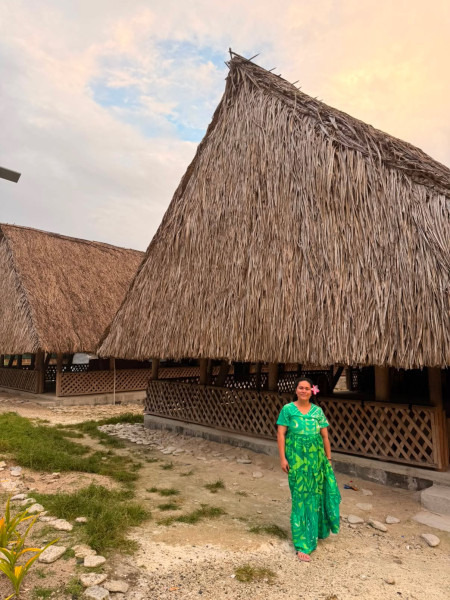
Originally from Nukulaelae and Funafuti in Tuvalu, Lisepa is a mother of three and has worked as a lawyer for more than a decade. She moved to Aotearoa last year to begin her PhD at the University of Otago.
Alongside another student, Sinirewa Agaifo, Lisepa travelled to Tuvalu to learn from elders and traditional knowledge holders, gathering stories and cultural knowledge for the book.
At first, they approached the research by asking how traditional Tuvaluan items were made, how canoes were built and how other cultural practices were carried out.
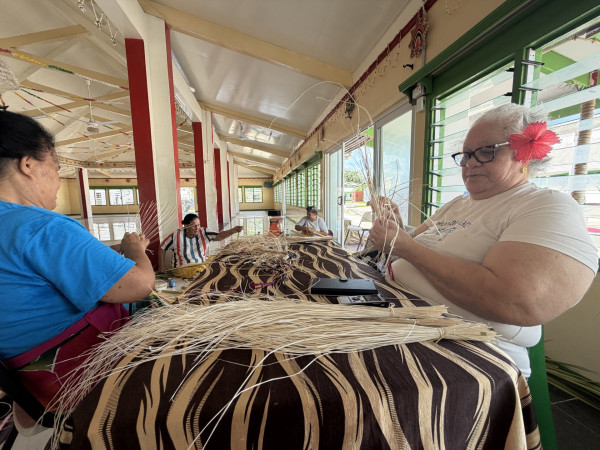
But they soon realised they needed to ask different questions and focus more on who taught them these skills and who they planned on sharing these skills with.
“Instead of asking… how do we make these things, how do we build a canoe, how do we build the Tuvaluan fale… we should be asking who taught you how to do this, when were you taught, and who will you give this knowledge to.”
The shift led to a better understanding of cultural practices and how they were passed down over time.
They discovered knowledge that younger generations were no longer necessarily learning, including traditional canoe building on one of the islands. In one community, a traditional canoe was needed for a festival, but there was no one who knew how to build one from beginning to end.
Learning that this was already a reality in the islands, Lisepa wanted to capture how easily knowledge can disappear when it is not passed on. Through the book, she wants to preserve these traditions and ensure they continue to thrive for years to come.
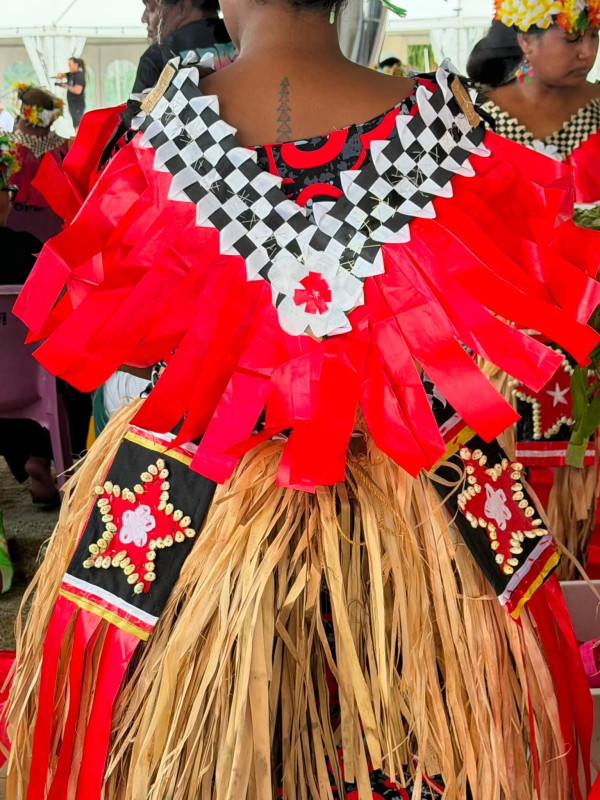
“When you leave Tuvalu, that's when you realise the importance and the value of all of these skills, all the cultural treasures such as building a canoe, a fale or traditional garments because you can't teach this in a classroom.
As a mum, it's really important that I not only speak our language at home, but also take opportunities to write a book in our language. Because books last forever.
The main thing we want to capture in the book is to ensure that our oral traditions and our culture don’t die with those who keep them.”
Lisepa and Sinirewa plan to publish the book at the end of 2026.